

Cooking is an art and a fundamental skill. Whether cooking at home or as a professional chef, mastering cooking techniques is essential. Mastering these techniques not only allows us to prepare delicious food but also improves cooking efficiency and ensures food safety and hygiene. The kitchen is one of the core settings of family life, but the tedious steps, inefficient tools, and wasted space in the cooking process often lead to fatigue. The importance of cooking techniques cannot be ignored. They can improve the taste and flavor of dishes, increase cooking efficiency, ensure food safety and hygiene, and are also an important part of traditional culture. Therefore, we should value learning and practicing cooking techniques to continuously improve our cooking skills so that we can create more delicious and healthy food.
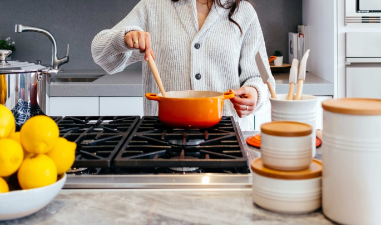
Tool Upgrade: Choosing the Right Tools Makes All the Difference
Knife Selection: A Good Knife Improves Cutting and Preparation Efficiency
Purchase Recommendations:
- Fruit Knife: A 3-4 inch knife, suitable for delicate tasks such as peeling and cutting fruit.
- Sharpening Stick: Use a sharpening stick regularly to keep the blade sharp and avoid frequent repairs.
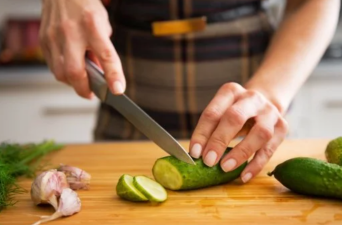
- Tips: When cutting food, hold the ingredients on the cutting board and use your knuckles to support the back of the blade, avoiding direct contact between your fingers and the blade. This is both safe and efficient.
Cookware Selection: Less is More, Covering All Cooking Needs
Recommended Combinations:
- Non-stick Frying Pan: Suitable for Chinese cooking methods such as frying, stir-frying, and braising. Lightweight and easy to flip, reducing oil usage.
- Cast Iron Pot: Excellent heat retention, suitable for stewing, roasting, and other dishes requiring long heating times. Can be directly oven-safe. Mini saucepan: Suitable for cooking small portions such as noodles, heating milk, and making sauces, avoiding energy waste.
- Tip: Choose a saucepan of appropriate size according to the amount of ingredients to avoid energy waste caused by "cooking a large pot for a small amount of food".
Small Appliance Optimization: Combining Intelligence and Multifunctionality
Recommended Equipment:
- Air Fryer: Cooks fried foods with little or no oil, healthy and time-saving, suitable for busy working professionals.
- Electric Pressure Cooker: Combines stewing, boiling, and braising, quickly tenderizing meat, suitable for time-consuming dishes such as soups and porridge.
- High-Speed Blender: One device replaces a juicer, soy milk maker, and grinder, suitable for making smoothies, thick soups, nut butters, etc.
- Tip: Read the instruction manual before use to understand the time and temperature settings for different functions to avoid repeated operation.
Process Optimization: Scientific Planning, Reduced Repetitive Work
Ingredient Preparation Process: Categorized Processing, One-Step Completion
Operating Steps:
- Washing: Wash all ingredients together, rinsing or soaking under running water to remove pesticide residues.
- Cutting: Categorize and cut ingredients according to cooking order, for example, cut root vegetables that require long stewing first, then cut leafy greens that cook quickly.
- Pre-treatment: Marinate meats, blanch vegetables, and soak dried goods in advance to reduce waiting time during cooking.
- Tips: Use a multi-functional vegetable cutter or food processor to quickly complete operations such as shredding, slicing, and chopping.
Cooking Order: Time Management, Avoiding Chaos
Principle:
- Longer Foods First, Shorter Foods Later: Cook dishes that require long heating times (such as stewed meat and roasted chicken) first, then process quick-cooking dishes (such as stir-fried vegetables and steamed fish).
- Wet First, Dry Later: Cook wet dishes like soups and sauces first, then stir-fry vegetables and fry meats to avoid frequent washing of cookware.
- Simultaneous Processing: Use ovens, air fryers, or other appliances to process multiple dishes simultaneously. For example, bake chicken wings in the oven while stir-frying vegetables in a wok.
- Tips: Use timers or mobile apps to set cooking times for different dishes to prevent burning or undercooking.
Cleaning Process: Clean Up As You Go, Reduce Burden
Habit Formation:
- Clean While Cooking: Put scraps in garbage bags while cutting ingredients, and wipe countertops between cooking sessions to prevent stains from accumulating.
- Soaking for Determination: Soak used cookware in water immediately; the grease softens and becomes easier to clean.
- Division of Labor: Family members can divide the work among themselves, for example, one person cooks while another cleans, improving efficiency.
- Tip: Use biodegradable disposable kitchen wipes to quickly wipe away grease and reduce cleaning time.